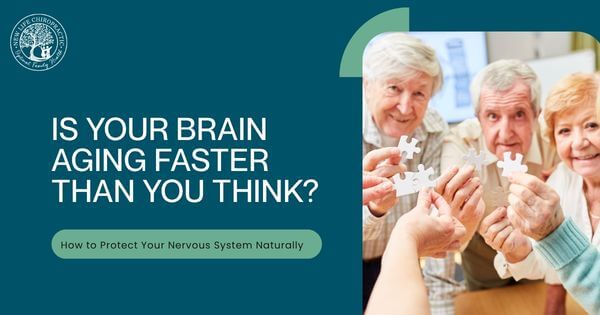
Your brain and nervous system control every function in your body. Every cell, every organ, every process depends on how well they communicate.
The problem? Many people are experiencing silent breakdowns in their brains and nervous systems due to everyday lifestyle habits. These changes don’t happen overnight, and they often go unnoticed until symptoms appear.
The good news is this: much of this decline is preventable.
If you understand what’s really driving it, you can change the trajectory of your health, your family’s health, and even future generations.
Watch the Full Workshop
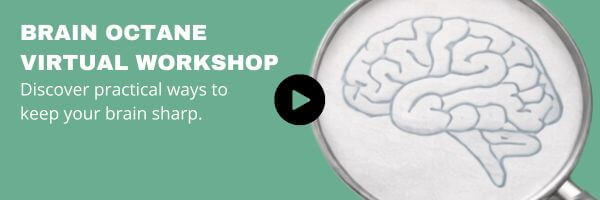
If you missed the live workshop, you can watch the full presentation and learn exactly how to:
- Improve brain function
- Reduce inflammation
- Support your nervous system
- Lower your biological age naturally
The Growing Crisis of Brain Degeneration
Conditions like Alzheimer’s and dementia are rising at an alarming rate.
- Cases have nearly doubled in the last 20 years
- They are projected to double again in the coming decades
- Millions of families are being impacted emotionally and financially
This isn’t a distant problem. It’s already affecting families, friends, and communities across the country.
The real question is not just why this is happening, but:
How much of this is preventable?
It’s Not Just Genetics
You may have heard that dementia is genetic. While certain genes can increase risk, they do not determine your outcome.
Your lifestyle determines how those genes are expressed.
Think of it this way:
- Genetics loads the gun
- Lifestyle pulls the trigger
That means your daily habits play a powerful role in whether your brain stays strong or begins to decline.
The 5 Biggest Factors That Accelerate Brain Aging
1. The Standard American Diet
Highly processed foods, sugar, and unhealthy fats create inflammation in the body and brain.
Nearly 60% of calories in the U.S. come from ultra-processed foods. These contribute to:
- Cognitive decline
- Hormone imbalance
- Chronic disease
What helps instead:
- Whole, natural foods
- Healthy fats (like avocado and omega-3s)
- Clean protein sources
2. Medications and Chemical Interference
Many medications, especially cholesterol-lowering drugs, interfere with essential processes in the body.
Your brain is largely made of fat and cholesterol. When levels are artificially lowered, it can impact:
- Brain function
- Hormone production
- Mood and memory
3. Toxins in Food and Environment
Chemicals like glyphosate, commonly used in agriculture, have been linked to neurological decline.
As exposure has increased over time, so have rates of conditions like:
- Dementia
- Autism
- Parkinson’s
What helps instead:
- Organic foods
- Non-GMO choices
- Reducing toxin exposure wherever possible
4. Chronic Stress
Stress doesn’t just affect how you feel. It changes how your brain functions.
When your body is stuck in “fight or flight” mode:
- Healing shuts down
- Hormones become imbalanced
- Brain function declines
Healthy habits that help:
- Time outdoors
- Exercise
- Gratitude and connection
- Serving others
5. Poor Sleep
Sleep is when your brain detoxes and repairs.
During deep sleep:
- Toxins are cleared
- Memory is strengthened
- Brain cells reset
Without it, toxins build up and cognitive decline accelerates.
The Missing Link: Your Nervous System
Your nervous system controls how your body adapts to stress and heals.
When there is interference, often caused by spinal misalignment (called subluxation), communication between the brain and body is disrupted.
This can lead to:
- Increased stress response
- Reduced healing
- Degeneration over time
Here’s what most people don’t realize:
Less than 10% of nervous system dysfunction causes pain.
That means serious problems can develop long before symptoms appear.
Why a Holistic Approach Matters
True health is not about managing symptoms. It’s about restoring function.
That includes:
- Supporting your metabolism
- Healing your gut
- Reducing stress
- Restoring spinal alignment
- Strengthening your nervous system
When these systems work together, your body can begin to heal the way it was designed to.
Simple Habits That Protect Your Brain
Start with these foundational steps:
- Eat whole, unprocessed foods
- Get daily sunlight and movement
- Prioritize sleep
- Reduce stress intentionally
- Support your gut health
- Have your spine and nervous system checked
Small daily choices create long-term results.
The Bottom Line
Your health is not determined by chance.
It is shaped by the decisions you make every day.
When you take control of your lifestyle and your nervous system, you take control of your future.