Your gut does far more than digest food. In this workshop, you’ll learn why digestive issues are so common, how the gut influences immunity, hormones, mood, and skin, and what it takes to restore a healthy microbiome. By the end, you’ll understand the difference between symptom management and true healing, plus practical steps to rebuild your gut and support long-term wellness.
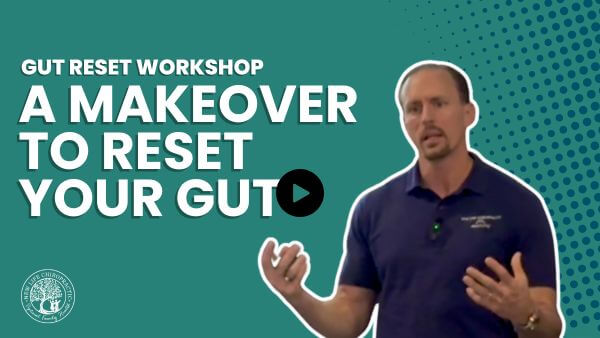
Here’s the gist of what was taught in the video!
The Gut Reset Workshop
Why do so many people struggle with digestion?
Modern healthcare often manages symptoms instead of addressing causes. Pills and procedures may decrease discomfort, but they rarely restore normal function. Real change happens when you work with your body’s design and remove the interferences that block healing.
The gut is a whole system
Your gut runs from mouth to exit and hosts a diverse community of bacteria that help digest food, make key chemicals, and support immunity. Over 70% of immune cells reside in the gut. A stronger innate immune system comes from building internal defenses, not just avoiding germs.
Early signs and hidden problems
Digestive problems often start quietly and build over time. Bloating, gas, heartburn, food sensitivities, constipation, or irregular stools signal a struggling gut. Leave them unchecked, and issues can escalate into:
- IBS
- IBD
- Skin conditions
- Joint pain
- Mood changes
- Brain fog
Leaky Gut: What It Is and What Causes It
How the barrier breaks down
A healthy mucosal layer and tight gut lining keep outside substances out of the bloodstream. When that barrier loosens, particles slip through, triggering inflammation and immune reactions that can affect joints, skin, hormones, and the brain.
Common drivers of leaky gut
- Recent or repeated antibiotic use
- High stress (emotional, chemical, physical)
- Smoking and excessive alcohol
- Processed foods, sugar, artificial sweeteners
- Damaged seed oils and conventional dairy
- Toxins such as pesticides, herbicides, and heavy metals
- Over-the-counter pain medications and poor gut motility
Symptoms Beyond the Stomach
Whole-body effects linked to gut dysfunction
- Fatigue from poor nutrient absorption and sluggish mitochondria
- Joint pain when inflammatory proteins circulate to weak areas
- Hormone imbalances as a disrupted microbiome impairs detox and clearance
- Mood and cognition shifts tied to neurotransmitter disruption and toxin load
- Skin issues like acne, eczema, psoriasis—outer signs of inner stress
Two Health Models—and Why Mindset Matters
Mechanistic vs. vitalistic
The mechanistic model treats parts and suppresses symptoms. The vitalistic model restores function, seeks causes, and views the body as an integrated whole. Shifting your mindset from “cover the oil light” to “fix the engine” is the most important step toward lasting results.
The hard-easy principle
Quick fixes seem easy now and harder later. Lifestyle change may be harder now but makes life easier over time. Action and consistency—not more information—create results.
The Three-Step Path to Gut Restoration
Step 1: Recondition with targeted probiotics
Spore-based probiotics can survive stomach acid and reach the lower bowel, where they help crowd out harmful microbes and begin reversing leaky gut signs. Specific strains may support those with bacterial overgrowth or recent antibiotic exposure.
Step 2: Reinforce with prebiotics
Prebiotics act like fertilizer for beneficial bacteria and help starve unwanted strains. As the microbiome strengthens, visceral fat and gut-brain dysfunction can improve.
Step 3: Rebuild the mucosal barrier
Nutrients that bind gut toxins and support the mucosal layer help restore the “fence” that protects the lining. For allergy-type responses and hypersensitivity, additional support for immune balance can be helpful.
Expected benefits with restoration include more regularity, less bloating, clearer skin, steadier mood, better digestion, sharper thinking, and a more resilient immune system.
Nutrition That Protects Your Microbiome
What to avoid
- Processed sugars and artificial sweeteners
- Damaged seed oils (e.g., canola, soy, hydrogenated oils)
- GMO foods and pesticide residues that disrupt good bacteria
- Conventional dairy that is difficult to digest
What to include
- Organic, seasonal produce and clean proteins
- Healthy fats that fuel cells and regulate hormones
- Fermented and cultured foods for natural pre- and probiotics
- Bone broth, minerals, and fiber-rich plants for gut healing
Core vs. Advanced plan
- Core Plan: A long-term approach with whole foods, healthy fats, clean proteins, and ancient or sprouted grains.
- Advanced Plan: A temporary, grain-free, lower-sugar reset to reduce stress on the digestive system while healing progresses.
Beyond Food: Stress, Movement, and Toxins
Calm your nervous system
High sympathetic “fight-or-flight” shuts down digestion, immunity, and hormone production. Build a peace management plan with tools like journaling, breath work, prayer, nature time, and supportive relationships to shift into parasympathetic healing.
Move your body
Digestion is a moving system. Long sitting slows motility, while regular walking, strength work, or activities you enjoy support detox, hormones, and spine health.
Minimize chemical stress
Filter indoor air, choose cleaner personal and household products, and opt for organic foods to lower the daily toxin load that fuels inflammation and autoimmunity.
The Gut-Brain-Spine Connection
Why chiropractic matters
Your brain communicates with the gut through the nervous system, and that signal routes through the spine. Subluxations can interfere with this communication. Corrective chiropractic care focuses on restoring structure and function, supporting better adaptation, digestion, and overall health.
Real-World Results
Change is possible
Patients who complete a focused gut repair often report less bloating, steadier energy, clearer thinking, and greater confidence in social settings. Restoring normal function—rather than chasing symptoms—creates changes that last.
Build a Healthier Gut, One Step at a Time
Small, consistent actions compound. Start by removing known irritants, begin a three-step gut restoration, support your nervous system, and adopt nutrition and movement habits that fit your life. As your gut heals, energy, mood, immunity, and resilience follow.
Check out our gut health products that are available online
ORDER NOW